Is Hypnotherapy Better Described as Neuroscience or Neurophysiology? For many years Hypnotherapy has been erroneously grouped with psychology because it involves thoughts, emotions, beliefs, and behavior. While psychological principles certainly contribute to understanding human experience, modern hypnotherapy may be more accurately viewed through the lens of neurophysiology than traditional psychology. Psychology primarily studies mental processes, brain behavior, cognition, and emotional functioning. It seeks to understand how people think, feel, learn, and behave.
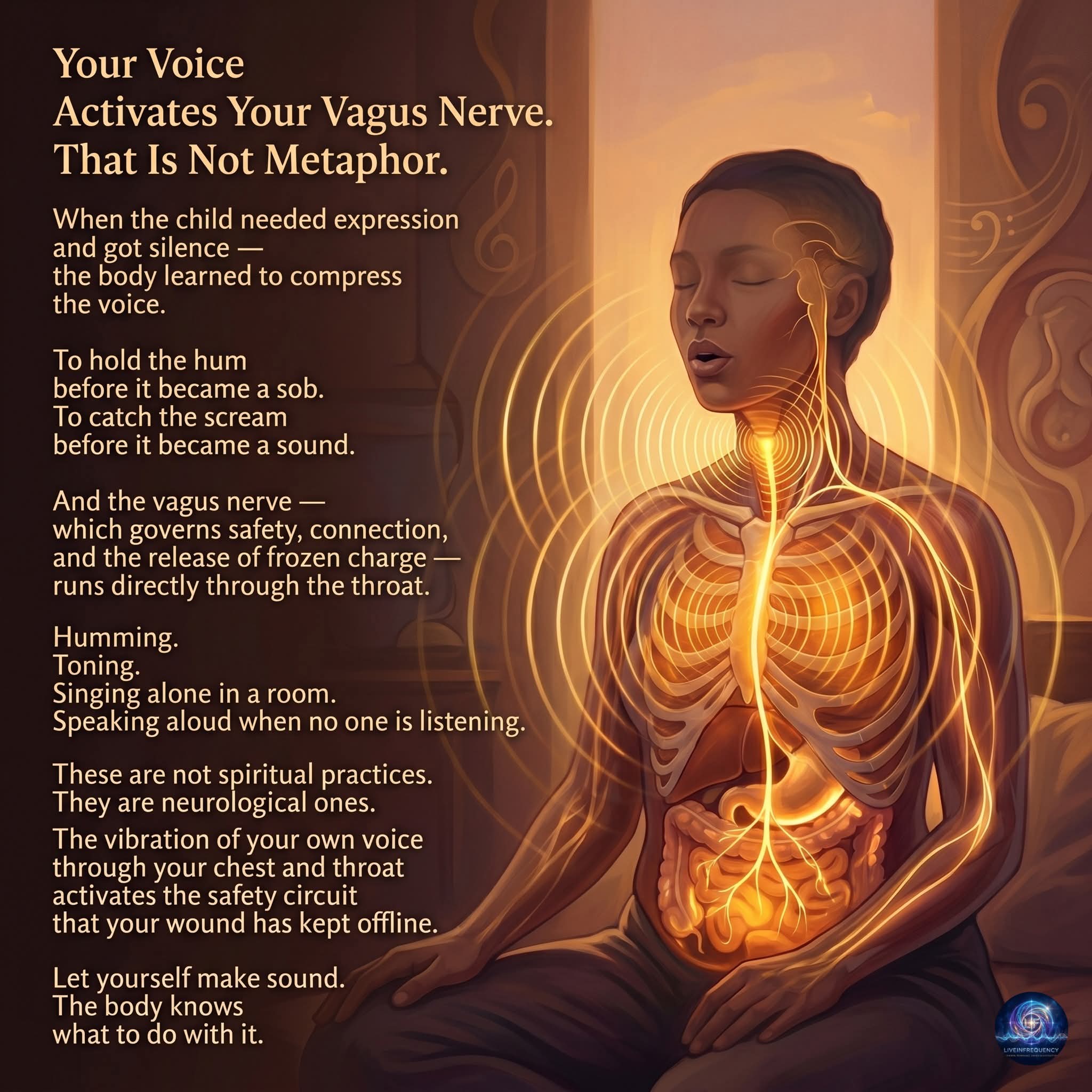
Hypnotherapy, however, works by influencing the physiological systems, the Sympathetic Nervous System that regulate these thoughts, feelings, and behaviors. One of the most important systems involved in hypnosis is the Autonomic Nervous System, particularly the balance between the Sympathetic Nervous System and the Parasympathetic Nervous System. The Sympathetic Nervous System is responsible for the body’s “fight, flight, or freeze” response. When activated by the brain, heart rate increases, breathing becomes rapid, muscles tense, stress hormones are released, and attention narrows toward perceived threats. Chronic activation of this system is associated with anxiety, stress-related disorders, insomnia, chronic pain, digestive disturbances, and many psychosomatic conditions. Hypnosis assists clients by reducing the brain influences causing excessive sympathetic activation and promoting parasympathetic dominance—the body’s natural “rest, repair, and recover” state. During hypnosis, breathing typically slows, muscle tension decreases, stress hormones may reduce, and the body enters a state conducive to healing, learning, and positive change. From this perspective, hypnotherapy is not simply about “changing thoughts.” It is about influencing the neurophysiological processes that create the emotional and physical experiences associated with those thoughts. This distinction is important. The hypnotherapist is not directly manipulating the brain itself. Rather, hypnosis facilitates changes in nervous system function through focused attention, relaxation, expectation, imagery, and suggestion. These processes create measurable physiological responses throughout the body. Research in neuroscience has demonstrated that mental imagery, focused attention, and suggestion can alter patterns of neural activity. However, the practical effects experienced by clients often emerge through changes in nervous system regulation, stress responses, pain perception, immune function, and autonomic balance. For this reason, some practitioners argue that hypnotherapy occupies a unique position between psychology, neuroscience, and neurophysiology. While psychology helps explain behavior and cognition, neurophysiology provides a framework for understanding how hypnosis influences the body’s regulatory systems and promotes change. A modern understanding of hypnotherapy recognizes that mind and body cannot be separated. Thoughts influence physiology, physiology influences thoughts, and hypnosis works within this dynamic interaction. By helping clients regulate autonomic nervous system activity, hypnotherapy can support emotional wellbeing, stress reduction, performance enhancement, habit change, and overall health. Hypnosis as applied through hypnotherapy works when bypassing brain and psychologically referenced body parts, thus accessing the Sympathetic Nervous System in all our work done tobrectify problems. Therefore rather than viewing hypnotherapy solely as a psychological intervention, it may be more accurate to regard it as an applied neurophysiological process that utilizes focused attention and therapeutic suggestion to influence nervous system functioning and facilitate positive change.
For further information fill in the form below.