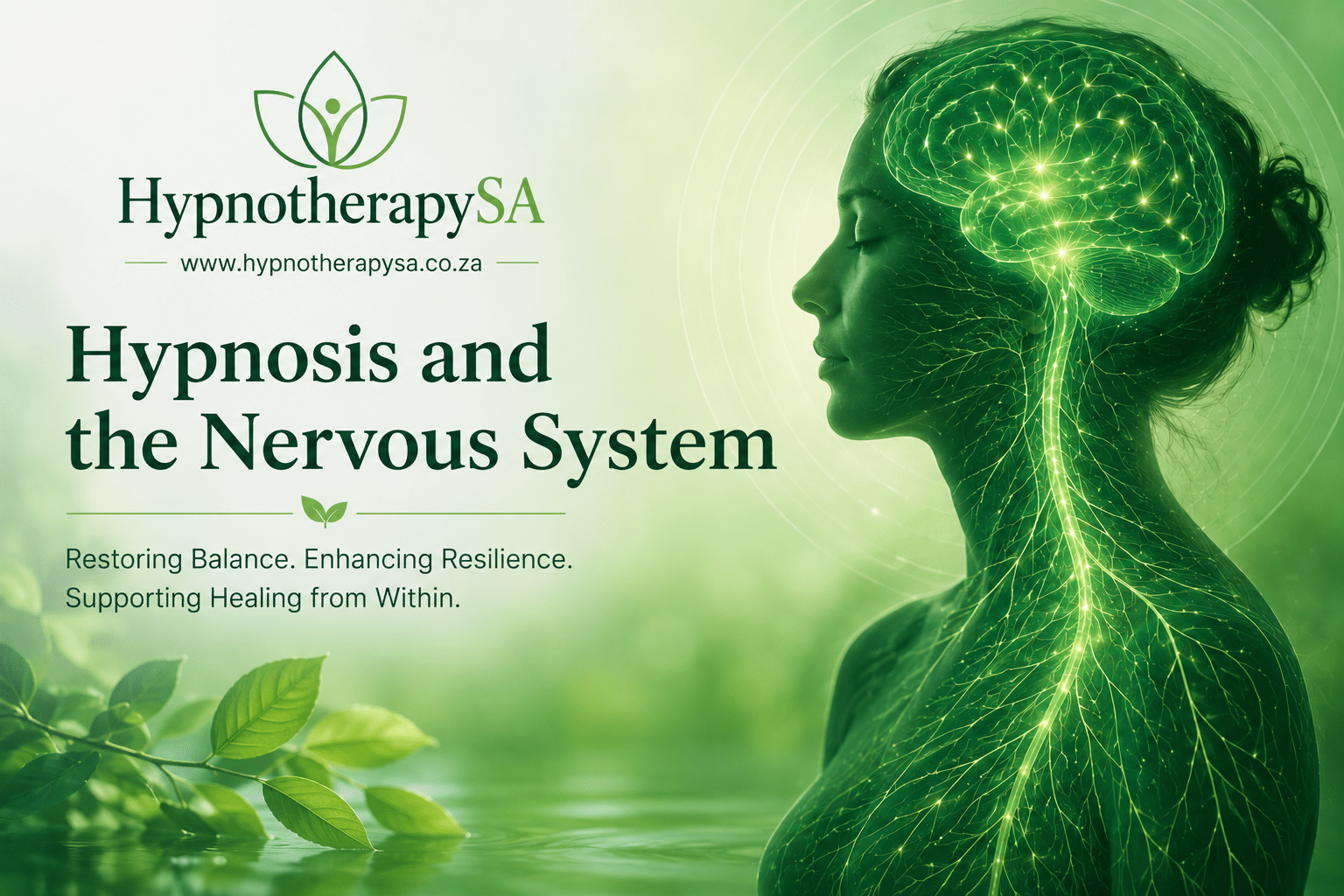
Hypnosis and the Nervous System
Understanding How Clinical Hypnosis Supports Regulation, Healing and Resilience
The nervous system controls every aspect of human experience—from your heartbeat and breathing to your emotions, thoughts, pain perception, digestion, sleep, and immune responses. When the nervous system is balanced, the body functions efficiently. When it becomes overwhelmed by stress, trauma, or chronic anxiety, both physical and emotional wellbeing can suffer.
Clinical hypnosis is a powerful therapeutic approach that works by helping the nervous system shift from a state of protection and survival into one of regulation, restoration, and healing. Rather than “controlling the mind,” hypnosis creates a focused state of attention that allows the brain and body to respond more effectively to positive therapeutic suggestions.
Understanding the Autonomic Nervous System
The Autonomic Nervous System (ANS) operates automatically without conscious effort and consists of two primary branches.
The Sympathetic Nervous System
Often called the “fight, flight, or freeze” system, it prepares the body to respond to danger by:
Increasing heart rate
Raising blood pressure
Releasing stress hormones
Tightening muscles
Heightening alertness
Reducing digestion and immune function
While this response is essential during genuine emergencies, many people remain stuck in sympathetic activation due to chronic stress, unresolved trauma, or ongoing emotional pressures.
The Parasympathetic Nervous System
Known as the “rest, digest and restore” system, this branch promotes recovery by:
Slowing the heart rate
Lowering blood pressure
Relaxing muscles
Improving digestion
Supporting immune function
Encouraging healing and restorative sleep
The goal of effective hypnotherapy is not simply relaxation—it is helping the nervous system regain flexibility and healthy balance between these two states.
How Hypnosis Influences the Nervous System
During hypnosis, focused attention, guided imagery, therapeutic language, and controlled breathing help reduce excessive sympathetic activity while enhancing parasympathetic regulation.
Research has shown that hypnosis may:
Reduce physiological stress responses
Increase parasympathetic nervous system activity
Improve heart rate variability (HRV)
Reduce pain perception
Lower anxiety levels
Promote emotional regulation
Enhance feelings of safety and calm
This creates an internal environment where learning, healing, and behavioural change become more achievable.
The Brain and Body Work Together
The brain constantly monitors whether the environment feels safe or threatening. When it detects safety, the nervous system can relax and devote energy to healing, growth, memory, and recovery.
Clinical hypnosis encourages this state by:
Focusing attention inward
Reducing unnecessary mental noise
Promoting positive expectancy
Engaging imagination and sensory experiences
Supporting healthier emotional and physiological responses
Rather than forcing change, hypnosis helps the nervous system experience new patterns of regulation that can gradually become more automatic.
Conditions That May Benefit
Because the nervous system influences nearly every body system, hypnotherapy may assist with:
Stress and burnout
Anxiety and panic
Chronic pain
Insomnia
Irritable bowel syndrome (IBS)
Medical and dental anxiety
Performance anxiety
Trauma recovery (when provided by appropriately trained clinicians)
Habit change and emotional resilience
Hypnosis is best viewed as a way of supporting the body’s own regulatory mechanisms rather than as a cure for disease. It is most effective when integrated into a comprehensive healthcare plan where appropriate.
A Neurophysiological Approach to Healing
Modern hypnotherapy increasingly recognises that lasting change involves more than thoughts alone. By influencing how the nervous system responds to stress and safety, hypnosis can help clients move from chronic survival mode toward greater resilience, adaptability, and wellbeing.
When the nervous system feels safe, the mind becomes more receptive to positive change—and the body is better able to do what it was designed to do: heal, recover, and thrive.
Our evidence-informed approach combines modern neuroscience, neurophysiology, and clinical hypnosis to help restore healthy nervous system regulation. Every session is designed to create a safe therapeutic environment where meaningful and lasting change can occur through the remarkable connection between the brain, the nervous system, and the body’s natural capacity for healing.